AI Policy Lecture Series
The AI Policy lecture series hosts a brief lecture and Q&A with legal scholars who specialize in AI policy and governance.
Programs
Most of our programs have no prerequisites, and all backgrounds are welcome.
The AI Policy lecture series hosts a brief lecture and Q&A with legal scholars who specialize in AI policy and governance.
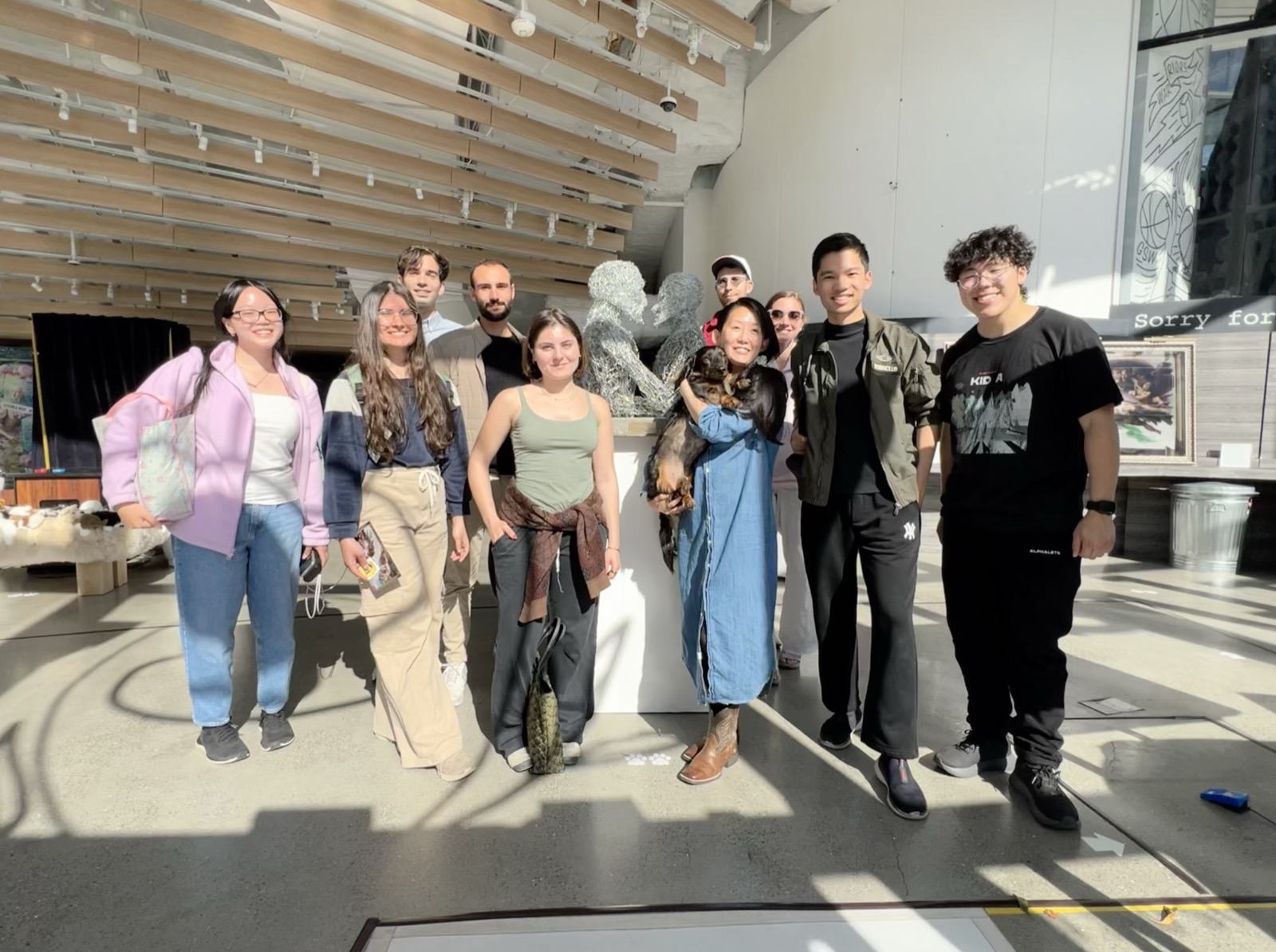
Field trips and events focused on humanities- and philosophy-adjacent aspects of AI safety.
A program during which we come together to collectively and concretely envision a potential future for AI and society through 2030.
This whitepaper aims to design and propose an end goal for AI’s benefits to be redistributed appropriately while maintaining incentive for innovation, and evaluate intermediary steps to bridge the present with this proposed end goal.
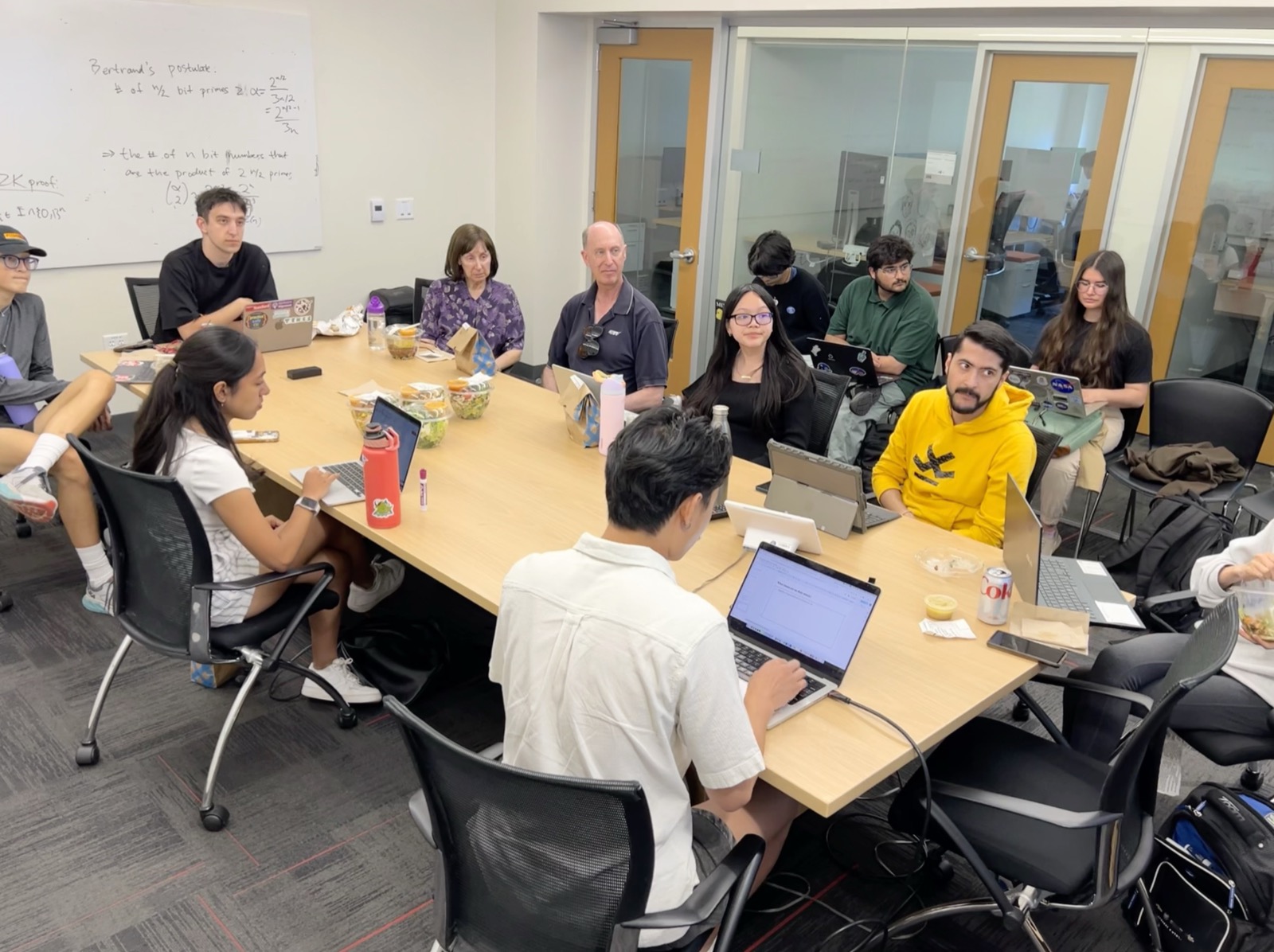
SAIA’s group meetings are a general Schelling point for SAIA members and community members interested in AI safety to meet up. Members gather to discuss current events and AI news, review a brief on the topic, and then open the floor for discussion guided by key questions, all over free boba. All backgrounds and interests are welcome.
SAIA hosts biweekly socials for club members.
Our flagship speaker series. After announcements about upcoming SAIA opportunities and global AI safety news, a speaker presents some AI safety research or leads a discussion, then we have a social afterwards for attendees. Past speakers include Dan Hendrycks, Nicholas Carlini, and Evan Hubinger.
SAIA members read and discuss two chosen papers on technical AI safety.
SAIA’s former course, STS 10SI, now runs as CS 120: Introduction to AI Safety, taught by Max Lamparth. The course covers the technical and socio-technical challenges of creating safe, reliable, and aligned AI systems, from model-level issues like interpretability and adversarial robustness to deployment and oversight. The materials are also a great starting point for self-study.
Program FAQs
Not a problem at all! We have plenty of members and leaders who have never coded. Our governance/humanities oriented events do not require a coding background, and our weekly meeting is open to all and beginner friendly. If you want to learn more, we recommend taking our AI governance fellowship, taking CS 120/CS 121, or self-studying the CS 120 materials.
Mitigating the risks of AI is an interdisciplinary problem that should not just involve computer scientists! Philosophy, neuroscience, cognitive science, law, policy, engineering, and anthropology are among the many disciplines that are critical to effectively regulating, improving, and adapting to AI.
Different events have different recommended backgrounds. Generally, we recommend that those attending our technical events have a firm basis in neural networks and classic AI models. A big bonus is a solid foundation in large language models, especially transformer architectures.
Join our newsletter and Slack — see our get involved page for more information.
Our events are hosted in-person on Stanford campus. Some events may be virtual or have hybrid accommodations, but please reach out to our team to check.
Our members have worked with